


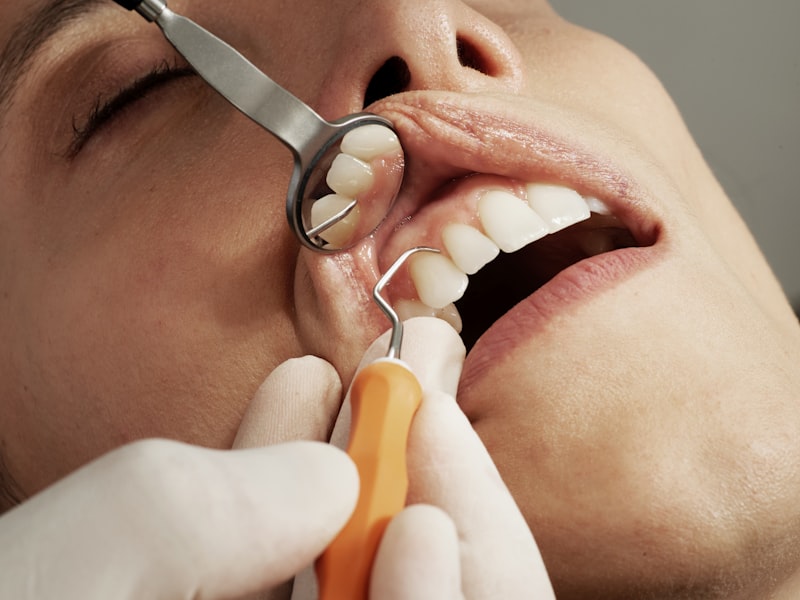
A twinge with cold drinks is not always decay. Here is what causes sensitivity, what helps at home, and when it needs to be checked.
Sensitivity has one underlying mechanism: the protective outer layer has thinned or the root surface is exposed, leaving dentine open to the outside. Dentine contains thousands of microscopic tubules, and when the fluid inside them moves in response to cold, sweet or air, the nerve is stimulated and you feel a short, sharp pain.
Why dentine becomes exposed
- Gum recession exposing the root
- Notches worn into the neck of the tooth by hard brushing
- Enamel thinned over time by acidic food and drinks
- Wear of the biting surfaces from nightly grinding
- Stomach acid reaching the mouth in reflux
- Temporary sensitivity after a new filling or a cleaning
Sensitivity or something else?
The distinction matters. True sensitivity starts with a stimulus and fades within seconds. Pain that begins on its own, wakes you at night, throbs, or is clearly triggered by heat points to an inflamed nerve, which may require root canal treatment. Sharp pain on biting is investigated separately as a possible cracked tooth.
What helps at home
Desensitising toothpaste works within a few weeks when used consistently, and rubbing a small amount onto the sensitive area after brushing, without rinsing, increases the effect. Switching to a soft brush and easing the pressure removes the mechanical cause at the same time.
Reviewing acid habits also makes a real difference. Fizzy drinks, citrus water and energy drinks sipped throughout the day keep enamel under constant acid attack. Having them with a meal, rinsing with water afterwards and waiting about half an hour before brushing protects the surface.
What can be done in the clinic
The cause is identified first, because treatment follows it. Fluoride varnish and sealing agents reduce sensitivity. A worn notch at the neck of the tooth can be restored with composite, which both stops the twinge and prevents further wear. Decay is treated with a dental filling, and a night guard is made where grinding is involved.
After whitening
A few days of sensitivity after whitening is expected and does not indicate damage. Using a desensitising toothpaste before and after makes that period much easier, and for people who already have sensitive teeth a teeth whitening plan can be spaced out accordingly.
If sensitivity is increasing, focused on one tooth, or lasting minutes after the stimulus is gone, it should be examined rather than managed at home. Our clinic is in Muratpasa and open 24 hours a day, seven days a week.















































































