


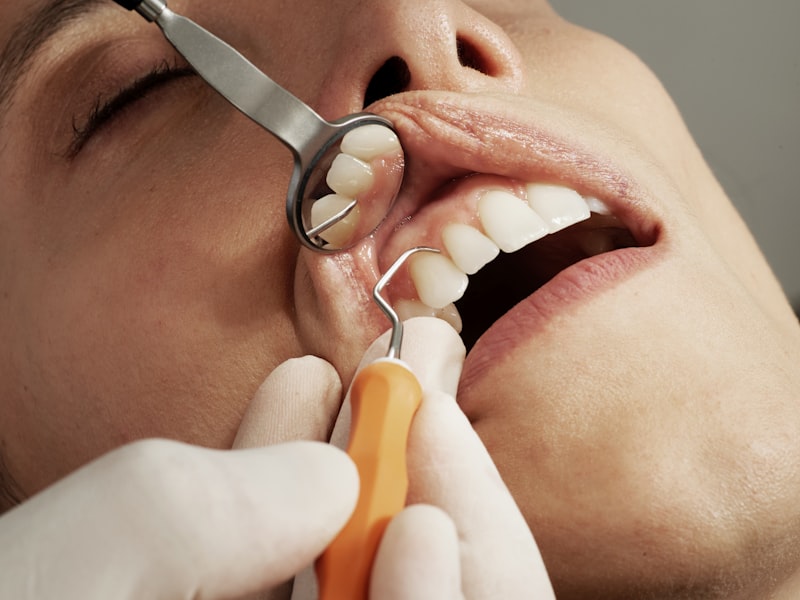
The six year molar is the first permanent tooth, erupting behind the baby teeth without any of them falling out. Mistaken for a baby tooth, it is often neglected and decays early.
The six year molar is the first permanent tooth to appear in a child's mouth, and as the name suggests it arrives around age six. What makes it different is that no baby tooth falls out to make room for it. It simply emerges behind the last primary molar. Families often assume it is another baby tooth and delay treatment when it decays.
Why it matters so much
This tooth is the key to the bite. The way the upper and lower jaws meet is largely determined by where these molars sit, and orthodontic classification is based on them. They also carry a large share of the chewing load and maintain the vertical height of the back of the mouth. Losing one early lets neighbouring teeth tip and opposing teeth over erupt.
Why it decays early
- Mistaken for a baby tooth, so it does not get attention
- Sitting at the very back, it is often missed while brushing
- Its grooves are narrow and deep, beyond the reach of bristles
- Newly erupted enamel takes time to mature and is more acid sensitive
- Gum tissue may partly cover the surface while it is still erupting
How to protect it
The most effective protection is noticing the tooth as it arrives, which is why routine checks around age six matter. Once fully erupted, the grooves can be closed with a fissure sealant, a few minute procedure with no drilling. Fluoride varnish, brushing technique that reaches the very back, and limiting sugar between meals complete the picture.
If it has already decayed
Caught early, decay is cleaned and closed with a filling. If it has reached the nerve, the root may still be developing, which calls for specific techniques or root canal treatment. Where a lot of tooth structure is lost, a crown type restoration protects against fracture.
How to recognise it
- It sits behind every other tooth in the mouth
- No tooth becomes loose or falls out as it erupts
- It is noticeably larger than the primary molars
- It often appears slightly earlier in the lower jaw
If you have noticed a new tooth at the very back of your child's mouth, it is most likely permanent, and that moment is the ideal time for preventive care. Children's dentistry is available at our Muratpaşa clinic seven days a week, at any hour.















































































