


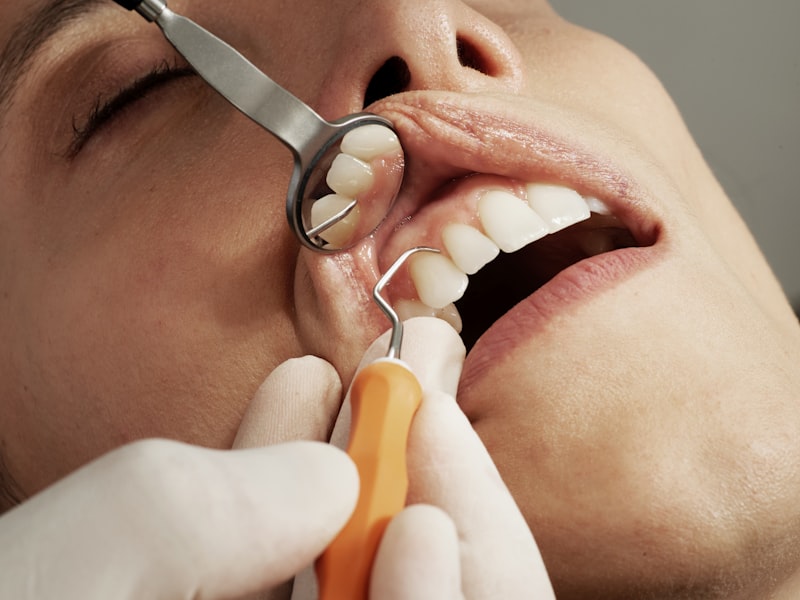
Brushing immediately after every meal is not always right. After acidic food you should wait, but how long and why?
Brushing straight after eating is not always right. If the meal was acidic, with orange juice, a lemon dressing, vinegar or a fizzy drink, waiting about half an hour is safer. After a non-acidic meal there is no need to wait. The difference comes down to whether the enamel is currently softened.
What acid does to enamel
Acidic food lowers the pH in the mouth and minerals start dissolving from the enamel surface within minutes. Saliva then raises the pH again and the surface rehardens, but not instantly. Brushing while the layer is soft lets the bristles and abrasive particles in toothpaste scrape it away, and repeated twice daily for years the loss becomes visible.
Does waiting leave plaque behind?
No. Plaque takes hours to mature, not minutes, so brushing thirty minutes after a meal costs you nothing in plaque control. What matters is brushing twice a day for long enough, not the exact delay.
Useful things to do while you wait
- Rinse with a glass of plain water.
- Chew sugar-free gum to raise saliva flow.
- Have calcium-rich food such as cheese, milk or plain yoghurt.
- Use a fluoride mouthwash if your dentist has recommended one.
- Avoid a follow-up sweet snack that would start a fresh acid attack.
Before or after breakfast?
Both approaches can be defended. Brushing before breakfast clears the plaque that built up overnight and leaves fluoride on the surface before acidic food arrives, which suits anyone who drinks juice in the morning. Brushing afterwards is fine too, as long as you wait when the meal was acidic.
Technique matters more than timing
Pressing hard does not clean better; it causes gum recession and notching at the necks of the teeth. Place a soft brush at forty-five degrees to the gum line and work around every surface with small circular strokes for two minutes, then clean between the teeth with floss or interdental brushes, since many cavities begin exactly there.
Persistent bleeding or recession usually signals a technique problem and should be reviewed as part of gum treatment, while advanced abrasion notches can be repaired with composite bonding.
After vomiting or reflux
Stomach acid is far stronger than dietary acid, so brushing immediately afterwards markedly increases enamel loss. Rinse with plain water or water with a little bicarbonate first, then wait. Recurrent reflux needs medical assessment, and wear that has progressed to a fracture may fall under broken tooth emergency care.
We can review your brushing habits at our Muratpaşa clinic, open seven days a week.















































































