


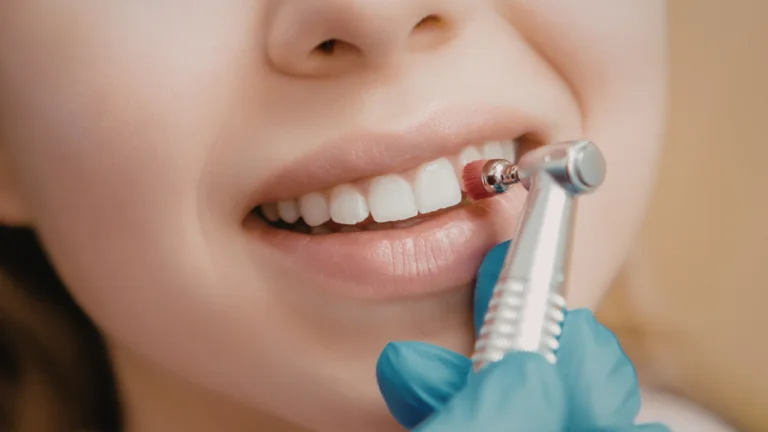
There is no single interval that fits everyone. Here is what determines your recall period, and what a check-up actually involves.
There is no single interval that suits everyone. The familiar six-month check-up is a reasonable starting point for someone at average risk, but some people are fine with annual visits while others need to be seen every three or four months. The right interval is set individually, based on decay and gum disease risk.
What shortens the interval
- A history of gum disease and deepened pockets
- Several new cavities in recent years
- Smoking
- Dry mouth, or medication that causes it
- Poorly controlled diabetes
- Wearing fixed braces
- Having implants, bridges or many crowns
- Night-time clenching with visible wear
- Pregnancy
Conversely, someone with healthy gums, no new decay for years, no smoking and consistent home care can safely extend the interval. That decision follows examination findings compared with previous records, not guesswork.
What a check-up actually involves
It is not only a search for cavities. Tooth surfaces and existing filling margins are inspected, gum pocket depths are measured and compared with earlier readings, and recession is recorded. The bite and wear patterns are assessed, and the soft tissues, tongue, palate and cheeks are examined, which matters for noticing tissue changes early.
Radiographs are taken when needed, since decay starting between teeth and changes in bone level cannot be seen any other way. Their frequency also depends on individual risk rather than being routine at every visit.
The real value is catching things early
Most dental problems begin painlessly. Early enamel decay can be arrested with fluoride and better home care; left longer it needs a dental filling, and later still it reaches the nerve and requires root canal treatment. Gum disease follows the same pattern, except that lost bone does not come back.
Do you need to go if nothing hurts?
Pain is a late sign in dentistry. Gum disease advances silently, decay between teeth grows unseen, and cracks stay quiet until they reach the nerve. Regular monitoring generally means smaller and shorter procedures.
Children
Children are usually seen more often, since baby teeth decay faster and jaw development needs monitoring. Fissure sealants and fluoride are part of preventive care, and the timing of any orthodontic assessment is planned during these visits.
Between appointments, brushing twice daily with fluoride toothpaste, cleaning between the teeth and limiting sugary snacks to mealtimes do the real work. Our clinic is in Muratpasa and open 24 hours a day, seven days a week.















































































