


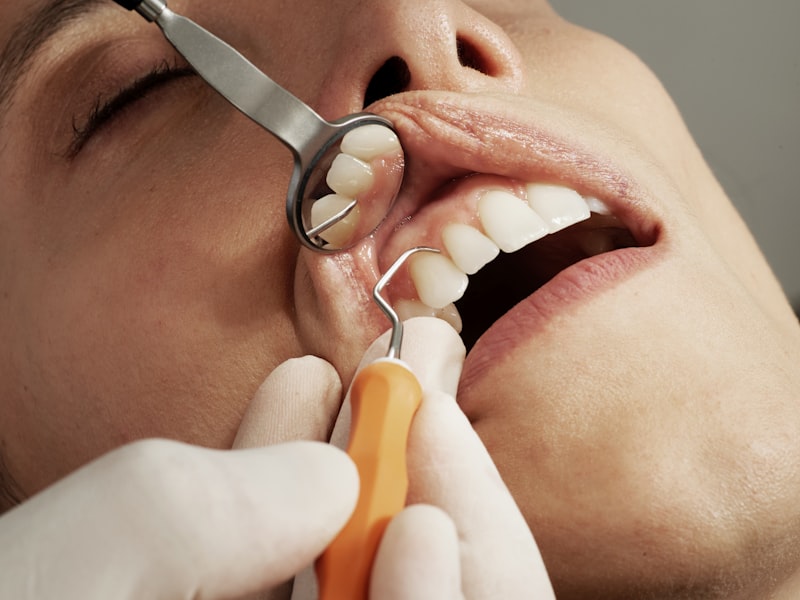
Saliva is the mouth's natural defence system. When it drops, decay accelerates. Here is why, and what can be done.
Saliva is the most important natural defence the teeth have. It buffers acids, dilutes bacterial products, washes away debris and, thanks to the calcium and phosphate it carries, repairs early mineral loss on the enamel surface. When that flow drops, decay both accelerates and appears in unusual places.
How dryness speeds up decay
After sugary or starchy food, bacteria produce acid and enamel briefly loses minerals. In a healthy mouth saliva neutralises that acid and puts the minerals back. The balance depends on both directions working. With less saliva, the acidic phase lasts longer and loss outpaces repair, so several teeth can decay at once.
Common causes
- Side effects of medication, including blood pressure, allergy and antidepressant groups
- Mouth breathing, particularly during sleep
- Low fluid intake, especially in a hot climate
- Caffeine and alcohol
- Smoking
- Certain treatments involving the head and neck region
- Conditions affecting the salivary glands
How it shows
Constantly needing water, waking with a dry mouth, the tongue sticking to the palate while speaking, difficulty swallowing dry food, a burning sensation and changes in taste are all typical. Denture wearers often notice reduced retention as well.
The pattern of decay changes too
With a dry mouth, cavities often appear at the necks of teeth near the gum line and between the front teeth, which are normally low-risk areas. That distribution is often the first clue. Caught early, these are restored with a small dental filling; left longer, the loss deepens toward the nerve and may require root canal treatment.
What helps
Sipping water frequently keeps the mouth moist better than drinking a lot at once. Sugar-free gum, especially with xylitol, stimulates flow and shortens the acidic phase after meals. Limiting caffeine and alcohol and stopping smoking help directly, and a bedroom humidifier can ease night-time dryness.
Fluoride matters more than usual here: high-fluoride toothpaste, varnish applied in the clinic and fluoride rinses strengthen the enamel. Keeping snacks and sweet drinks to mealtimes reduces the number of acid attacks each day.
Shorter check-up intervals
Because decay progresses faster, the usual interval between visits may be too long. More frequent examinations allow early lesions to be arrested with fluoride rather than drilled. Bringing a list of your medication helps identify the source. Our clinic is in Muratpasa and open 24 hours a day, seven days a week.















































































